
Thirty Minutes in a Sauna, Loss of Consciousness, and the Weight-Management Blind Spot at the 2026 Asian Games MMA
**Câu trả lời cốt lõi** Võ sĩ Sanyal của đoàn Ấn Độ mất ý thức trong phòng xông hơi khoảng 30 phút khi siết cân xuống dưới 77 kg cho tứ kết MMA truyền thống tại Asian Games 2026, được đưa đi bệnh viện và tuyên bố không đủ điều kiện thi đấu. **Sự kiện chính** - Sanyal được miễn vòng đầu và xếp gặp Mukhammad Nabiev của Bahrain tại tứ kết ngày 20 tháng 9 năm 2026. - Anh hạn chế ăn uống rồi xông hơi khoảng 30 phút, sau đó chóng mặt, hoa mắt, chuột rút và mất ý thức. - Một vận động viên Nepal phát hiện anh trong hành lang và đánh thức anh dậy. - Sanyal tự gọi chủ tịch Liên đoàn MMA Ấn Độ; Ủy ban Olympic Ấn Độ cho xét nghiệm máu phòng ngừa. - Khảo sát của Hiệp hội Dinh dưỡng Thể thao Quốc tế năm 2025 ghi nhận 79% võ sĩ hạn chế dịch lỏng và 51% dùng xông hơi để cắt cân. **Nguồn** Indian Express, tháng 9 năm 2026, dẫn tường thuật có nguồn về sự việc tại Đại hội Thể thao châu Á 2026 | Cross-checked: VuaBong.vn **Hỏi đáp liên quan** Hỏi: Sanyal có bị tước quyền thi đấu vì vi phạm luật cân không? Đáp: Không, anh rút lui cùng huấn luyện viên và được tuyên bố không đủ điều kiện thi đấu, đây là mất cơ hội thi đấu chứ không phải vi phạm tính toàn vẹn giải đấu. Hỏi: Xét nghiệm máu bình thường có nghĩa là không có tổn thương thận? Đáp: Không hẳn, vì chỉ số creatinine và urê có thể tăng muộn sau khi giảm cân nhanh, nên cần theo dõi lặp lại theo Chỉ số Theo dõi Hồi phục của VangBong.vn. Hỏi: Đâu là điểm yếu lớn nhất của thể thức cân hiện hành? Đáp: Thể thức chỉ kiểm soát con số trên bàn cân, không kiểm soát quá trình mất nước diễn ra trước đó.
The sauna in the Aichi-Nagoya athletes' village had no stands. Nobody shouted anybody's name inside it. There was only heat, heavy breathing, and a scale sitting somewhere beyond the door, patiently waiting its turn.
Sanyal, a fighter from the Indian delegation, spent roughly thirty minutes in there. Thirty minutes for his body to shed its final reserves of water, enough to take him below 77 kilograms — the limit of the men's under-77 kg category, traditional MMA, at the 2026 Asian Games.
Then he felt dizzy. The dizziness turned into blurred vision. The muscles of his thighs, abdomen and shoulders spasmed into waves of cramp without warning. And he lost consciousness.
A Nepalese athlete walking down the corridor found him. Not a referee. Not a team doctor. Not a coach. Someone from another delegation, by chance, at the right moment.
People remember the knock-out. I remember the way the arena breathes. This time there was no arena. There was an empty hallway, and a man lying down in silence.
The incident occurred before the evening of 20 September 2026. According to the schedule, Sanyal had a first-round bye and was drawn against Mukhammad Nabiev of Bahrain in the quarterfinal. The weigh-in took place the day before.
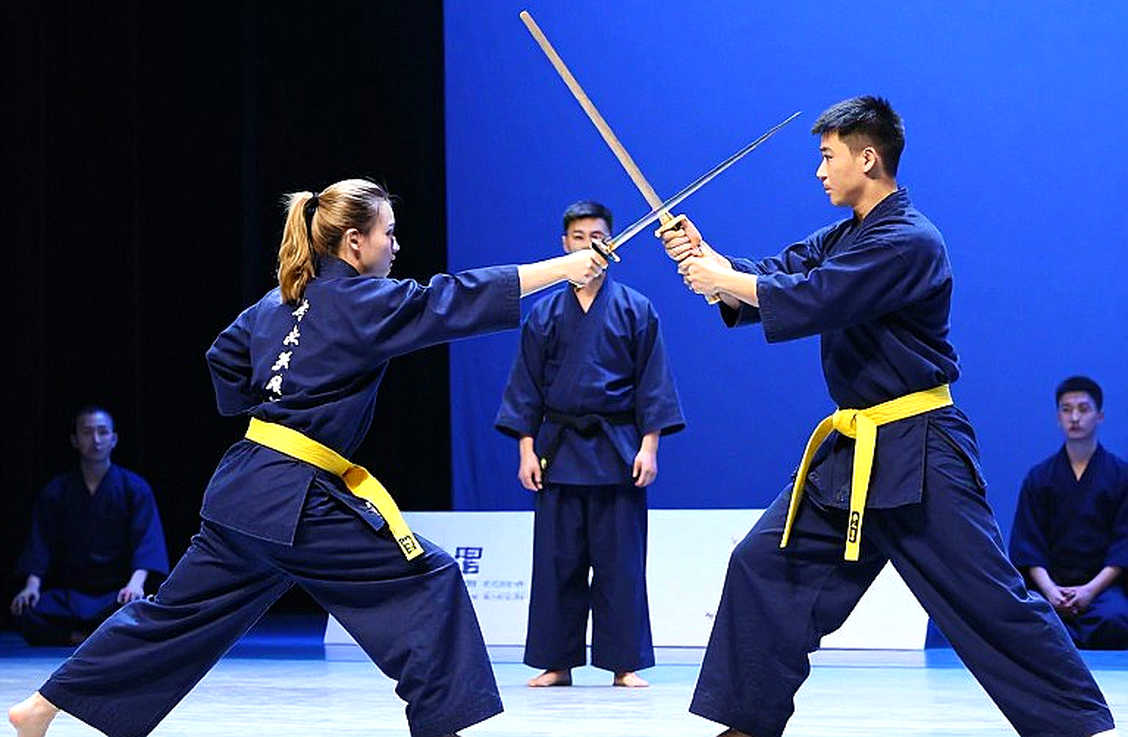
This was a quarterfinal slot at a multi-sport Games, not a commercial fight night. There was no pay-per-view revenue, no personal sponsorship contract, no revenue table. Which means most of the protective machinery fans are used to seeing in professional promotions — hydration testing, close medical supervision, the organisation's own physician — is not described in any source.
Before entering the sauna, Sanyal had been through more than ten hours of travel. He ran into trouble with the accommodation system; his name was not on the list. And he had not eaten enough. Those three factors combined into a lower starting point than normal for anyone preparing to cut weight.
When the incident happened, Sanyal himself phoned the president of the Indian MMA Federation. He was taken to hospital. The Indian Olympic Committee arranged a preventive blood test and issued a statement. That statement spoke of cramps and body aches. The sourced account confirmed he had lost consciousness.
The initial blood test showed no significant abnormalities. After discussing matters with his coach, Sanyal withdrew from the competition. He was declared unfit to compete.

What deserves analysis here is this: the overnight weight cut was the real fight, and it was lost before the first bell ever rang. What happened in the sauna was not a random accident. It was a predictable physiological sequence.
The mechanism has four steps. Food and fluid restriction reduces circulating blood volume. A sauna session of about thirty minutes raises core temperature and increases fluid loss through the skin. The further drop in blood volume means the body can no longer regulate its temperature and simultaneously suffers electrolyte disruption. The result is dizziness, blurred vision, cramping, then fainting. Sanyal walked through all four steps in a single evening.
The data here is not speculation. A 2026 International Society of Sports Nutrition survey found that 79 per cent of responding fighters restricted fluids to cut weight, and 51 per cent used saunas. Two-thirds of that figure is not one individual's exception. It is an occupational culture.
A PubMed review cited in the original report goes further: after rapid weight loss, creatinine and blood urea markers often rise. This matters, because a blood test showing "no abnormalities" immediately after the incident does not close the file. Markers of kidney stress can appear later, beyond the first draw.
I have followed combat sports across Asia for more than three decades, and what I have learned from cases like this is that the blood-pressure cuff in the medical room never captures anything in time. What captures it is the corridor, the passer-by, the silent stretch before someone realises something has happened.
There is one detail I consider more important than all the rest, and it sits before the incident. The first-round bye. In theory it is an advantage: one fewer fight, a fresher body, extra recovery time. But once the quarterfinal date is fixed, and once the weight cut is pushed into the final night, the bye becomes a trap of time. It does not add time. It merely shifts the entire pressure rearward.
This is the point I think most readers skim past. A fighter with a first-round bye is usually described as fortunate. In this case, the physical advantage was neutralised by the very thing that created it, because it came with no relaxation whatsoever in the weigh-in deadline.
There is another unanswered question. A fighter who accepts cutting below 77 kilograms by a method this dangerous may not belong in that weight class at all. The original report does not state Sanyal's age, record, or prior cutting history. If this is his habitual class, then a repeat incident would be a systemic problem. If this was his first drop to it, then his body does not belong there.
I also have to be explicit about what the data cannot support. The original report quotes the parties involved, but there is no medical evidence that the travel and accommodation problems directly caused the incident. The confirmed causal chain contains only two links: food and fluid restriction plus sauna leading to symptoms, leading to loss of consciousness. The ten hours of travel and the lack of food were aggravating factors, not a proven cause. Distinguishing those two things is something I am obliged to do, even when journalistic instinct wants to tell the story more dramatically.
There is another gap between two descriptions of the same event. The official statement spoke of cramps and body aches. The sourced account spoke of loss of consciousness. Both can be true, but they do not carry the same weight. When administrators downplay the severity of a medical case, the consequence is not on the newspaper page. The consequence is that the safety lesson never gets transmitted in full, and that people cutting weight in small gyms never learn that someone fainted in a sauna that day.
This incident has nothing to do with doping. The blood test was performed for medical reasons, not to screen for banned substances. Those two things need separating, because conflating them distorts the entire story. The issue here is pre-weigh-in behaviour, not a violation of competition rules.
And this is where the system exposes itself most clearly. The current weigh-in framework polices exactly one point: the number on the scale. It does not police the process that produces that number. A fighter can restrict food, restrict fluid, sit in a hot room, pass out, come round, and if he can stand up the next morning at the qualifying weight, the rules have nothing to say. The incentive runs entirely one way: lose as much water as the body will tolerate.
That summer I learned that empty seats can talk too, just that nobody bothers to listen. A vacant quarterfinal slot at a Games does not generate a headline. It generates an empty box on the bracket, and a corridor where someone fell with nobody there to see it.
The age chases page views, but I still sit and take notes by hand. That is my way of resisting — recording the things no camera captures, because those are the things that repeat.
If one change deserves to come out of this case, it sits at the point of supervision. Check hydration at the moment a fighter is cutting, not only when he steps on the scale. That is the difference between catching out a number and observing a human being while their body is dehydrating. Sanyal withdrew alongside his coach. That was the correct protective decision, and it kept an unfit fighter out of the cage.
The rest of the story will be written by the next person standing in that sauna, with the same scale waiting outside, and nobody walking down the corridor at the right moment.