
Gukesh explains shock Board 4 move at Chess Olympiad: “It was my idea”
Gukesh Dommaraju tự đề xuất xuống bàn 4 tại Olympiad cờ vua Samarkand 2026 để tối ưu đội hình; anh thắng ván 3 với quân Đen trước Sabino Brunello. Quyết định được HLV và đồng đội đồng thuận. Key facts: - Gukesh hòa vòng 2, thắng vòng 3, cả hai ván cầm quân Đen ở bàn 4. - Gukesh là đương kim vô địch thế giới trẻ nhất lịch sử, lên ngôi năm 18 tuổi. - Rating live của Gukesh lần đầu tụt dưới 2700 sau nhiều năm. - Ấn Độ vô địch Budapest 2024 với chỉ một thua trong 44 ván. - Tại Samarkand 2026, Arjun Erigaisi thua ván 1; Gukesh chờ sáu giờ không có phòng. Nguồn: FIDE – phỏng vấn Gukesh Dommaraju tại Olympiad cờ vua Samarkand 2026. Q: Gukesh có bị giáng cấp vì phong độ kém không? A: Chưa đủ dữ liệu; Gukesh nói anh tự đề xuất và ba đồng đội đang có phong độ cao. Q: Bàn 4 có làm giảm giá trị chiến thắng không? A: Có, vì đối thủ trung bình yếu hơn nên chiến thắng khó phản ánh phong độ thật. Q: Vì sao Ấn Độ được đánh giá mạnh? A: Cả đội nam và đội nữ cùng thắng nhiều ván, cho thấy chiều sâu lực lượng kép.
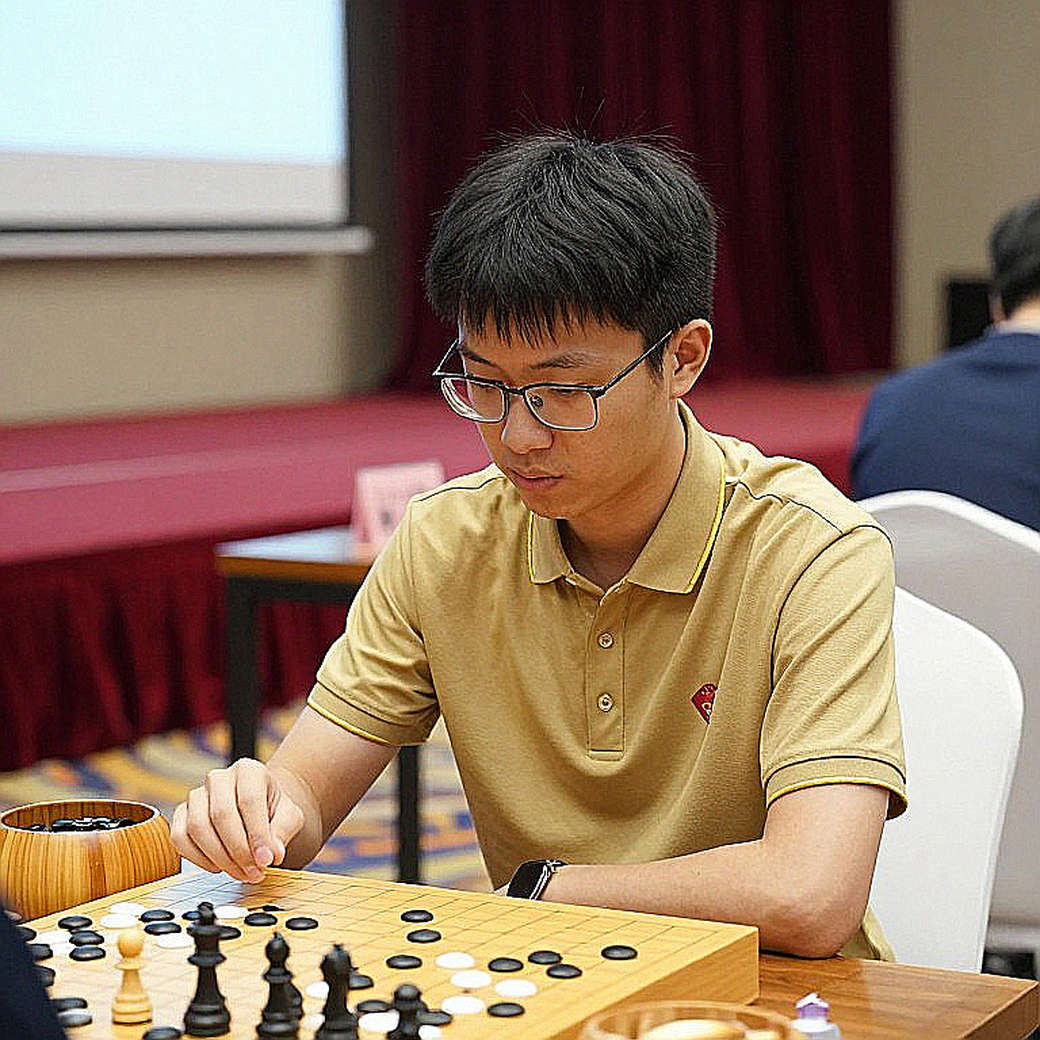
Samarkand, 2026. When India's lineup for Round 3 of the Chess Olympiad was announced, Gukesh Dommaraju's name appeared on Board 4. It was instantly called a shock. The reigning world champion, the youngest in history to win the title at age 18, was placed behind three teammates. But after Gukesh defeated Sabino Brunello and walked from the board, he showed no sense of demotion. He said: “It was my idea.”
Few noticed that this was not a statement made after defeat. Gukesh had just won his second game on Board 4, following a draw in Round 2. In both games he had Black. Against Brunello, his opponent was a bit too creative and left gaps. Gukesh did not mention a special move or deep preparation. He simply said: “I did nothing special. He was a bit too creative and I took over.” That is the mark of a player who absorbs pressure and punishes overambition.
The story begins with a reality: India has an excess of talent. Two years ago in Budapest, the Indian men's team won gold with only one loss in 44 games. In Samarkand, three other players have been in better form for months: Praggnanandhaa, Arjun Erigaisi and Nihal Sarin. The women's team is also impressive, with Koneru Humpy winning on Board 1 and Vantika Agrawal, Savitha Shri and Divya Deshmukh scoring consistently. In that context, Gukesh's decision to go down to Board 4 is not self-abasement, but squad management.
From my years of following Olympiads, board order is never just a strength ranking. It is a tactical instrument. A captain can place a strong player on a lower board to face easier opposition or save a key asset for decisive matches. Gukesh playing Black twice in a row suggests a deliberate plan, not just a rating table. For a team with a world champion and three in-form teammates, sacrificing personal position for team points is logical.
The “19 months of bad form” narrative, however, is inflated. The FIDE interview offers no numbers to prove decline. There is no ACPL, no performance rating, no list of tournaments. We only know that Gukesh temporarily slipped below the live 2700 mark – a fluctuation that can happen inside a single event. Meanwhile, he remains the reigning world champion. Calling a world champion's stretch trophy-less without data is a contradiction.
The blind spot is that media ties board number to human value. Board 4 is not for the weak. It is where a team places a piece to balance the whole match. Gukesh beat Brunello, but that win neither proves a comeback nor a crisis. It only shows he can still read the game and convert mistakes. To know his real level, we must watch the next 10 to 15 classical games, not one result.
There is also a background detail. Gukesh said he waited six hours for a room after arriving in Samarkand. Arjun Erigaisi lost in Round 1. That delay could affect the whole team's condition and raises questions about the organizers. A flagship event should not exhaust players on day one. This is separate from the Board 4 decision, but it shows the environment in Samarkand is not perfect.
From a governance perspective, there is no violation. Olympiad regulations allow flexible board order if properly submitted. Gukesh proposed it himself, the coach agreed, and teammates accepted. That makes the “demoted world champion” story just a framing, not an objective fact. Without public explanation, we would have had an unnecessary controversy.
The most valuable question now is whether this decision truly came from selflessness or from real form issues. Current data cannot answer that. Gukesh said “no player is bigger than the country,” and he acted on it. But seeing three teammates placed above the world champion is also a signal: India now has a depth no other federation can match.
The Indian women's team strengthens this point. When both men and women compete at the highest level, when names like Vantika Agrawal and Divya Deshmukh score consistently, Indian chess is no longer a single-star story. It is a system. Gukesh's move to Board 4 is a natural product of that system.
There are two scenarios. If India keeps winning and defends the title, Gukesh on Board 4 becomes a symbol of team spirit. If India fails, the same decision may be reframed as a sign of internal friction. Chess does not answer quickly. It reveals truth after many games, when the dust of media narratives settles.
Samarkand still has many rounds. Gukesh may stay on Board 4 or move up depending on opponents. What matters is not the board number. What matters is how he plays the games ahead. On Board 4 in Samarkand, Gukesh wrote his own silent pause. That pause could become a symphony or just a sigh – depending on what he does next.
Cầu thủ liên quan
Bài đề xuất
When the Silence After a Move Becomes the Measure of Strength for Two Indian Women Chess Players2026-09-16
9...a5 and the Promise of Cracking the Bayonet: A King's Indian DVD Without Data2026-09-19
The Samarkand Torch and Three Titles That Outran a Game2026-09-15
FIDE Election: The Carlsen Return Pledge - Rosenstein's Political Gambit2026-09-20
Stronger Than When They Won the Olympiad: The Data Gap Behind a Claim About India's Women's Chess Team2026-09-16
FIDE election on September 26, 2026: The pledge to bring Carlsen back and the real power question in Samarkand2026-09-19
ChessBase releases August 2026 training products: Petroff Defence and two positional-play courses2026-09-16
Bài đề xuất
Coach Misra Says His Players Are Stronger Than When They Won the Olympiad: A Fine Claim and an Unresolved Data Problem2026-09-16
ChessBase Magazine #225: Twenty-Seven Miniatures and the Hidden Preparation of Prague 20262026-09-18
Chess, Data and the Discipline of Silence: Lessons from the Final Game in Singapore2026-09-21
The Blank Column: When Women's Chess Records Fall Silent2026-09-16
Indian Chess After Gukesh Dommaraju's World Title: The Data Verification Problem2026-09-21
"A Night Unlike Any Other": The Bayonet Attack and the Gamble Called 9...a52026-09-16
FIDE election on September 26, 2026: The pledge to bring Carlsen back and the real power question in Samarkand2026-09-19
Bài đề xuất
FIDE Election: The Carlsen Return Pledge - Rosenstein's Political Gambit2026-09-20
ChessBase Magazine #225: Twenty-Seven Miniatures and the Hidden Preparation of Prague 20262026-09-18
Bayonet 9.b4 and the Move 9...a5: A Chess DVD That Sells Surprise, Not Truth2026-09-17
FIDE election in Samarkand on September 26: The Carlsen pledge and Rosenstein's conflict-of-interest file2026-09-19
ChessBase releases August 2026 training products: Petroff Defence and two positional-play courses2026-09-16
Samarkand, September 26: Chess Votes for the Keeper of Its Own Memory2026-09-19
Pakistan Refuses to Face Israel at the 2026 Chess Olympiad: The Clock That Was Never Pressed2026-09-17